Showing posts with label f-commerce. Show all posts

Sunday, 8 May 2011

Social Commerce - Brands Need Experiences

The Transition


Ask a young person with a smartphone to order a pizza or takeaway. The chances are they won't turn on their PC; they might look for a ragged favourite menu stapled to their kitchen wall or they may simply and intuitively pull out their smartphone and search. In a similar vein whilst  looking to buy a printer in a large store, I saw people pulling out their smartphones and checking prices online and yes I did it to; the store in question said they would match any price (why not then).

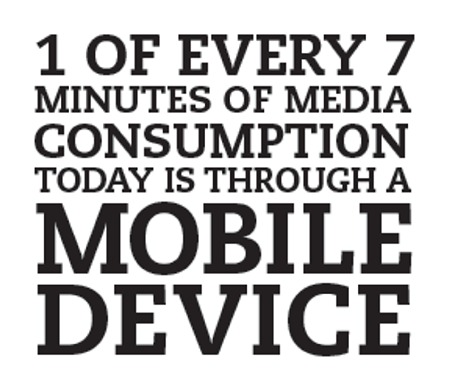
The mobile (smartphone) is transforming how we interact offline whether that is searching for services, brands or prices - we do it when we want, wherever we are. It is our access point to our social networks; our key communication tool.

If we add into this mix check-ins e.g. Facebook, ShopKick we can see how our online moments intersect with offline. Social commerce is not just a Facebook store or Facebook Open Graph integrated into a website; it is the influences upon our buying decisions.

Pre-sales: e.g. search, reviews, comments, likes
At the point of sale: e.g. offers, coupons, group buying

Post sale: e.g. sharing, commenting, rating

People are no longer shackled by access to the internet via a PC, it can be in the moment - it is real time interactions that will become increasingly important providing more relevance than before.

What will change this significantly is the integration and convenience of being able to pay using the mobile phone:

Looking at the Numbers


Here are some of the figures that demonstrate the continued growth of online:
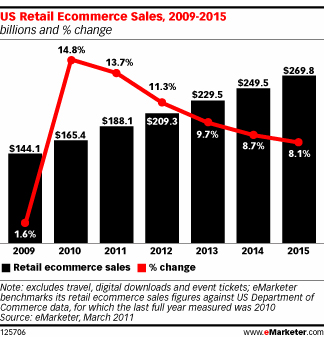


The research firm Forrester projects online retail sales to increase to almost $250 billion by 2014. That’s a big number, but still a small piece of the retail pie at just 8% of U.S. sales.

Here are some interesting inforgraphics that support the changing dynamic of the social customer:

Blending the Offline and Online World


I’m fascinated by the impact of emerging technologies and how they influence economic variables across the media, marketing, information and entertainment ecosystem. In particular it is how the online and offline experience will integrate as brands seek to differentiate themselves.

If we take a look at retail we can see that at the moment it has several persistent problems: the high cost of attracting visitors, the low probability that they become buyers and the difficulty of getting them to come back. Sociable e-commerce offers potential solutions to all of them. So both brands and retailers must integrate their touch points to access customers.

Social business tools create experiences

It is no longer about channels; it is about the customer life cycle across everywhere a brand touches them. This involves orchestrating the customer relationship across touch points, not channels. It is mobile though that will bridge the gap between online and offline experiences, challenging marketers to connect the dots through creative solutions that match consumers’ mobile consumption habits. As brands give birth to creative ways to engage people their responses and conversations will also change how engage, brands will behave more like people and consumers will more than ever assess brands as they would people.

Is it Just about Facebook?

Facebook has extended its reach beyond the platform so that websites can integrate Facebooks Open Graph e.g. the 'Like'  and 'Send' buttons. Facebook’s business functionality will continue to evolve. Eventually, social elements will cross each function of business. Those businesses that are early to explore these methods will dominate what could become the largest market place: Facebook.
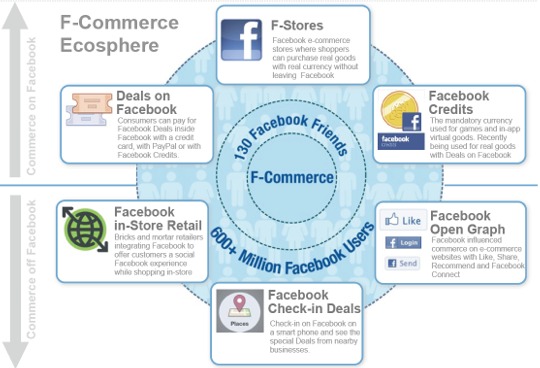


This illustration from Horizon Studios demonstrates the dimensions of Facebook commerce

Social Commerce

As e-commerce retailers continue to pop-up and online shopping becomes even more prominent, people will increasingly become more and more comfortable sharing transactional items like clothing, daily deals, books, and electronics as more of their purchasing decisions are made online. For the new generation of e-commerce firms, the offline world is as important as the online one.

New social platforms like Swipely will gain popularity.

Data the Oil of Commerce

Facebook captures vast amounts consumer data and this rich seam of data links personal data, network associations, transactions and location. It will drive yet further ways for brands to understand their customers. The very nature of the feedback mechanisms built into being a social brand provide the ability to fine tune product development, accelerate innovation and harness new technologies to drive engagement.

The potential to harness this data to deliver targeted, personalized shopping experiences for brands, is huge.

What are the building blocks


Businesses need to start small and simple-piloting, experimenting and reworking until successfully determining how to transform themselves into being social and agile businesses. Businesses that embrace this change to social commerce will reap the benefits of differentiation, reduced customer acquisition costs, lower service costs and faster time to market.

1. Integration

  • Get your channels in place. Set up Facebook and Twitter profiles – these are the main players.

  • Develop a mobile website, this is increasingly important and most websites do not render or work effectively on a mobile.

  • Use your mobile website to offer promotions, QR codes…many mobile website solutions like ours allow you to control this through a Content Management System that is easy to use.

  • ‘Socialise’ your website: add social media sharing links to your website.

  • Make it easy for people to share integrate social sharing with social sign-on so that items can be shared with the least amount of friction.


2. Facebook Page

  • Develop your Facebook page and build you fan page. If you haven’t established a Facebook page yet then don’t just rush in and commission a Facebook store you need to initially test and build you presence on Facebook, make sure it works for you.

  • Commission a branded landing page. Actively promote your products, promotions and discounts using email, Twitter and Facebook.

  • Understand how social your customers are: listen and engage customers to see how they react. Social is not for everyone.


3. Extend your capabilities

  • Enable sharing with friends before buying – to allow customers to crowd/friend-source advice on whether to buy.

  • Use a Social Shopping Cart which allows people to shop and share with their friends via Facebooks social graph.

  • Integrate Facebook comments into products; customer feedback is the essence of improving your range and products

  • Don’t just sell: social commerce shouldn’t be all about selling – add value to their customers’ shopping experience – and give them a reason for communicating with you and their peers.

  • Create a dialogue with customers who want to talk to you. Use your blog and social channels to do this.

  • Use your Facebook wall like it’s your shop window but don’t only broad cast – use it for feedback. Openly encourage customers to have a say in the business – by crowdsourcing decisions it will encourage how they promote you (word of mouth initiatives)

  • Integrate your customer service strategy with your social media strategy – diffuse situations by helping customers directly through social media.


4. A Facebook Store

  • Investigate bespoke solutions turn your Facebook account into a fully functional e-commerce platform.

  • Use Facebook contests that request “Likes” to automatically send users to the Facebook store to encourage product browsing.

  • Integrate your marketing and inform your current customers where to find your store and how it works.

  • Use the Facebook Fans API to combine promotions with links to product detail and purchase pages within the Facebook store - this enables brands to collect profile data. Add product videos – and host them on YouTube.


5. Promotions

  • Have a clear strategy and timetable promotions, make it varied and keep It interesting.

  • Don’t simply discount. Use virtual rewards as well as monetary ones - reward your fans with exclusive discounts and promotions.

  • Form alliances or partnerships with local businesses where you have synergies to promote each other.


6. Measure

  • It is important to use a number of different tactics to drive traffic to your website, develop referrals from social media and use offline tactics.

  • Measure and track how effective each is and use the information to refine and improve your marketing.

  • Use Facebook analytics to understand who is buying, who is being converted – use it to refine your marketing approach.


What do you think will be the deciding factors for being successful with online?

Integrating touch points


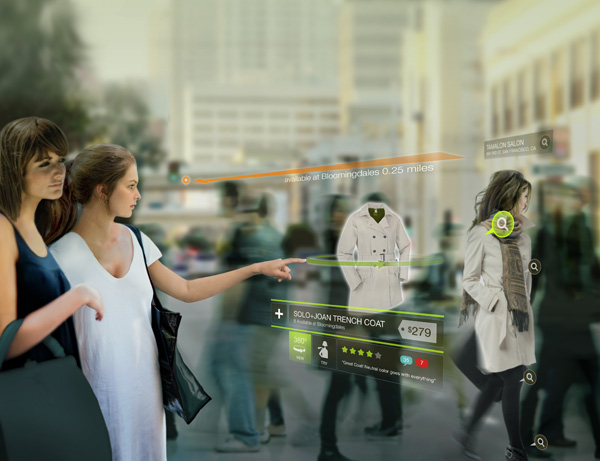
We produced a rough illustration of how some touch points and technologies integrate; it is not a model so much of an example of how each can play a part in how a business can use mobile, social and emerging technologies.
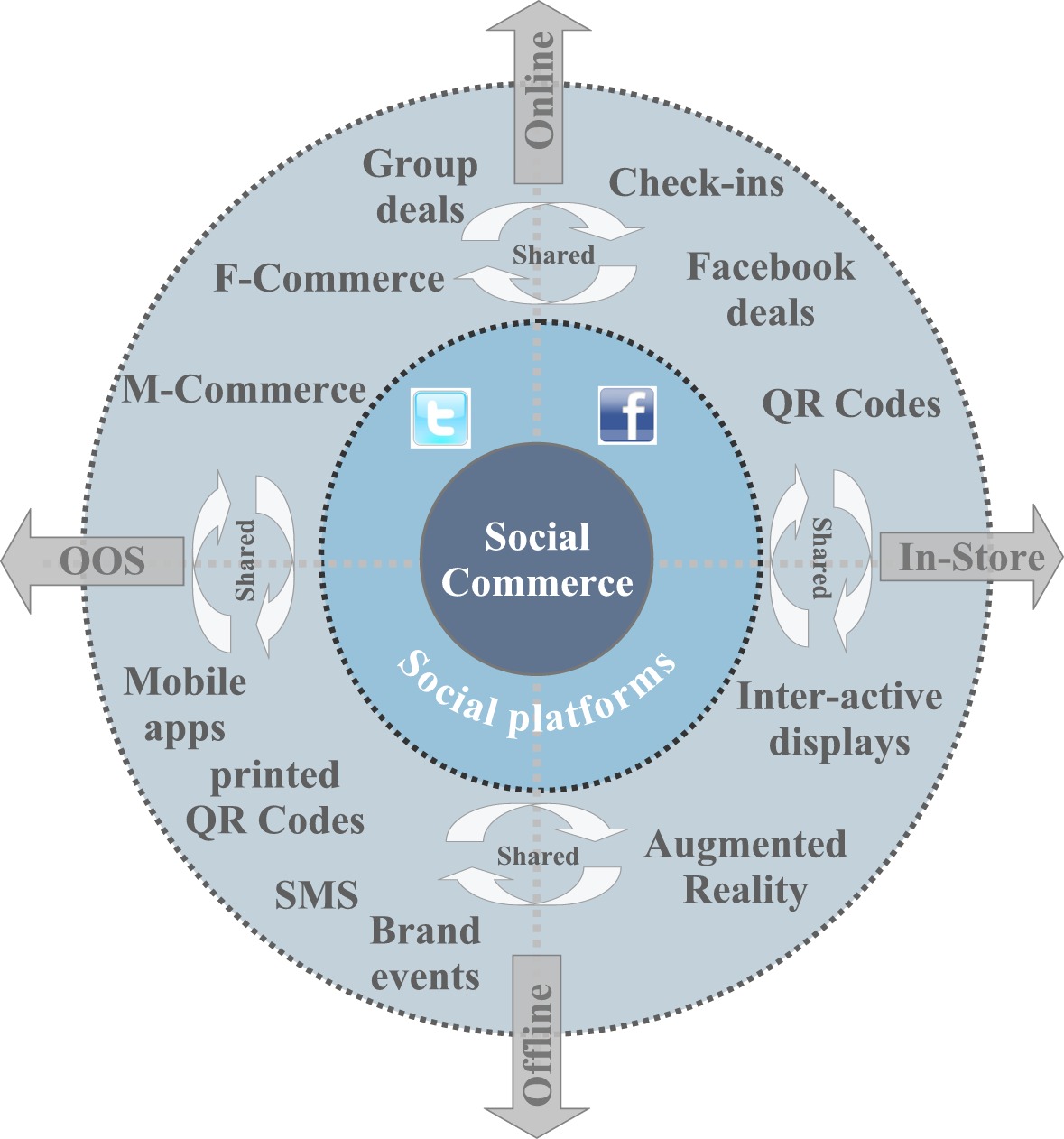

The Offline Experience


We can see how offline (this may involve connected devices but not your own 'device') experiences propagate online:
social commerce


sharing:


Monday, 11 April 2011

Is the Future of Social Commerce a Facebook Like?

Social Commerce the ROI of Social Media

Many people have doubted the return on investment (ROI) of social media (see our previous post). But even for these sceptics social commerce provides a tangible link between activity, channel and results. But it is not just about the ROI; for marketers it delivers unbelievably rich data (e.g. linking products to peoples social graph, creating digital word of mouth and provides game-changing insights about customers, products, and brands. Social commerce benefits both the brand and the customer. Why? Well first let's take a look at what social commerce is.

Paul Marsden provides a great introduction into social commerce and how it can be used:

What does Social Commerce deliver?Social commerce quote by Gartner


Social commerce works because we trust our friends and peers more than we do advertising (source Nielsen).

It links customers reviews, stories, or product questions and answers directly to products – some of these may be friends or peers therefore providing trusted information. This saves time on research they might otherwise have spent hours on.  These conversations and reviews from a shopper’s own friends on a branded site (e.g. if a product has 150 reviews at a store and 3 are from people) provide valuable information for the buyer but also the retailer can link personal data to each purchase.

How the Change in Consumer Behaviour Reinforces Social Commerce

Gerd Leonhard in the presentation below highlights the need to add value, recognise the shift in how consumers behaviours are changing and be adaptive to these changes. Businesses need to adapt to the pace of change that is and think about how they engage customers in this connected world. Gerd has long championed the concept of  convergence; the merging of technologies to create new business models using social media, mobile, location based services....this is the new commerce. Despite the opportunities mobile commerce presents, but as yet many retailers have no clear strategy for this Econsultancy - 10m UK consumers use mobile commerce.

Why is Facebook winning at Social Commerce?

Facebook is the platform in which we spend more time (Facebook users spend 1.5x more online that other Internet user) and invest in more social interactions than any other. Its meteoric growth is only matched by the insightful way the socialisation of data has enabled the 'like' button to be extended out to websites including e-commerce sites.

It is this extension of Facebook social plugins and easy integration into websites that has allowed elements of Facebook to be  placed into websites and blogs extending Facebooks reach. Furthermore full integration with Facebook's Open Graph can turn a product page on the brand site into the equivalent of a Facebook page. As Jay Baer put it Facebook is becoming the plumbing on the web.

So why do retailers and brands spend money building up millions of Facebook Page fans and then drive them away from Facebook to convert a sale?

The Facebook Page is the New Microsite


Many brands use Microsites for promotional campaigns. They enable strong digital experiences and deep campaign integration. But Microsites are also a serious problem because they have a limited shelf life (and cost a lot to develop) and in addition there is still the need to spend money driving traffic to the site.

On the other hand you could use a Facebook brand page. Facebook pages deliver new opportunities to build a brand community, maintain longer relationships with customers thus reducing costs.

With the ability to integrate digital media directly into the page - what is there not to 'like' about this.  Facebook Likes can also enable one-time (and in some cases ongoing) data transfer between the user and the brand to deliver better marketing experiences and feed enterprise databases. Facebook pages can become an integral part of a high-quality band experience and establish long-term messaging and data relationships. These offer ongoing value to the brand at little incremental cost.

Facebook facts for Facebook stores


  • Here is a link to some great examples of Facebook stores and some here from Mashable.

  • Brands are already being followed and consumers are often looking for benefits .

  • The The top 3 brands on Facebook (by fans) all sell directly on Facebook - Coca-Cola (24m),Starbucks (20m) and Disney (19m).

  • 76%  of retailers surveyed plan to use Facebook for ‘social commerce’ initiatives.

  • 2.5 million sites and counting have integrated Facebook Connect.

  • 10,000 new sites integrate with Facebook every day (with social plugins)


Facebook is perfectly positioned to seize the opportunities of social commerce and brands are eager to tie together the ROI and link relationships to sales. However, the challenge for brands will be to create experiences worth sharing,be selective and tailored in their offers (if habitual it diminishes the brand position) and provide feedback and open sharing. Importantly businesses will need to ensure that they are relevant, use data to improve customer experiences and deliver value - leading with human relationships.

Many businesses will fail at social commerce, not venturing beyond offering the benefits of transactions within Facebook. If you look at the brands that are doing well they are providing far more value than merely the opportunity to buy their product.

A last look at Social Commerce comes from Erik Qualman and highlights the need for busineses not to think of this change as a question of if it is going to happen but simply when and how fast - and if they are going to survive!

Monday, 4 April 2011

Tips for Getting the Most from Your Facebook Page - Social Business

The Anatomy of the Facebook Page


A - The Brand Image & Photo Strip

You can use this space for your brand to allow you users to quickly recognise you. This is the image that shows up when people search. It can be up to 180px by 540px, but if you do this then make sure your main logo fits right for search.

Once you’ve done that, you can turn your attention to the new photo strip. At the moment you can't control where each of the images (they need to be 97px * 68px)  that are in that strip will go – they are randomly sorted by Facebook. They can’t be ordered like they can on personal profiles.

Top tip here is to use images with a similar design so they create a more uniform look. Alternatively you could use QR Codes or Tag to go here as well; offer your customers specials or exclusives - it is one of the biggest reasons people visit brand pages.

B - The Tabs

Each tab can now be linked to an icon which makes it visually easy to differentiate tabs. Our tip here is to keep it tidy - delete old tabs, keep a menu that is relevant and label them clearly. If a tab is not being used change the content, question if it is needed and if not remove it. We often see tabs like discussion with no posts, events with no events...keep it simple and up-to-date.

C - The Heart of the Page

This is the biggest part of the page and where you are looking to interact and engage your fans. Some key points:

  • Point out the like - don't forget to remind people to like you

  • Share - the share button invites people to share your page with their friends


A word of caution here, don't get absorbed in the tools - understand your customers, research their interests, passions and behaviours and you will then produce content that is relevant and engaging for them. Once you've decided on this the content production and delivery follows naturally.

Most brands now are using video on their pages to entertain / engage / interact with their clients. If you look at this link you will see that video is becoming interactive. The point is you can integrate virtually anything into Facebook now, graphics, copy and even e-commerce.

Use a video to:

  • make a personal commentary about your business or products

  • provide some interesting ideas that you are working on and ask people for their comments/feedback

  • provide testimonials of happy customers and why they use you

  • video interviews of why your people like working with your business

  • you can also use motion graphics or animation here to explain your products or services in an entertaining way


You can even get people to try your new products!


D - Make it Easy to Find your Brand on Other Social Sites

Coca Cola also highlight their other networks - something few brands remember to do. You don't have them exactly in this position but remember to make it easy to find and recognise the icons for the other social networks like Twitter. Often this is on the information page which people don't often look at.


E - Make The Page Worth Exploring

People are increasingly spending more time on social networking (nielsen) and Facebook is the dominate player. Providing a a set of rich experiences on your Facebook page means that people spend more time with your brand than your competitors, are more likely to stay on your page and more likely to share your content. Use the page to enable people to explore opportunities.

Don't forget to also offer specials/exclusives to fans. The top two reasons to follow a brand are for promotional benefits (84%) and because the fans already enjoy the product (89%). 83% of fans would like more exclusives from the Facebook page, whether via special offers or Facebook-only content.

F - Highlight and Link to other Products Brands or Partners


If you have other brands/products or services then you can like them as a page; these then show up in the space highlighted as F in the Coca Cola example above. If people like your brand then the chances are they might explore and like your associated pages.

A FEW MORE TIPS

Information page

Take a look at the Pepsi and Nokia information pages. Pepsi has been a bit lazy just duplicating links whereas Nokia have made a clear statement for their followers. Use this space wisely and fill it in to tell people about why they should follow you and how you want to build your relationship with them.


Frequency of Posting

Posting too frequently is the 2nd most cited reason for unfriending a fan page. Most experts recommend 2-3 times a day as a maximum. Here are some reasons as listed on Mashable and some further reading. To see some other great examples of how brands are using Facebook here is a list from Econsultancy.

Rules and Policies

Some brands ignore this and don't put up a clear statement of their policy for their walls. However, best practice is to post up a clear statement that allows people to understand what is acceptable and what is not.


Brand Engagement on Facebook

Here is Jeff Ragovin who gives a great talk on Facebook brand engagement - enjoy :-)


If you have any questions or are looking for advice you can post on our Facebook wall and we promise to get back to you with an answer - you never know by sharing it we may help other people with the same question.

Have you noticed that not all Facebook pages are equal;  not just in the presentation of the brand, but the interactive media, the conversations on the page, the comments and likes. In getting a Facebook page to look good there are some basic points you need to consider.

We are going to take you through some key areas of a Facebook page and what to do to make it stand out from the crowd and how to make sure it works for your customers.

Why Facebook is important


Here are the number of fans/likes for celebrities and brands, so you can see the who's who on Facebook popularity - Top pages on Facebook and here are some further figures. Brands are due to increase their Facebook investments to $4Bn this year. According to a new white paper (pdf) from Webtrends:

  • Websites that do not engage in e-commerce are losing traffic to their Facebook pages at a startling rate

  • Websites with e-commerce activity seem to sustain traffic in spite of Facebook's influence, but are experiencing drops in unique visits compared to last year - signs of losing traffic in the future to Facebook

  • This proves a gradual shift in traffic from a brand's website to its Facebook page and hence the need for marketers to closely measure their Facebook activity


and highlights on Social commerce:

Facebook stores are very efficient at traffic acquisition acquiring visitors at no cost through wall posts and establishing a store monthly user base equal to 1-10% of the retailer's fan base

  • Facebook stores on average generate a 17% social engagement rate (merchandise "likes" and "shares" per visitor)

  • Facebook commerce conversion rates ranging from 2% to 4% are on par with Commerce websites.

  • Facebook commerce conversion rates range from 2% to 4% and are on par with e-Commerce Web sites. (avg. 3.4%, according to Forrester/Shop.org).


If you haven't got a Facebook page now is the time to get one. A good start point is to plan how you want to engage with your target audience and here are a few tips on how you can do this.

Sunday, 20 March 2011

5 Reasons Why Retailers Should Be Digital - Social Business

What is the dilemma retailers are facing?
The High Street has changed in the last five years driven by the rise of internet shopping coupled with the recession. But the continuing battle for retailers is how to adapt to changing consumer shopping habits and the technology that is enabling new ways to shop. High streets are at a cross roads that could determine their future; do they adapt or die. Here are some key facts that illustrate the balance:

We quickly get a picture that people are spending more time online because it is convenient. However the social aspect of retail shopping will still be important and whereas we used to research online before we shop we now do this whilst out shopping; this makes the need to be digital even more urgent. The key point here is that busier lifestyles mean consumers want to shop when, where and how they choose. But what does this mean for a retailer?

The essential need in todays fast moving commercial world is to be where your customers are, when they want to buy. To maximise commercial opportunities retailers need to be present across multiple digital channels. The three main digital channels currently are Website, Facebook and Mobile (almost one in three European Union mobile subscribers now owns a smartphone).

Why? - well it extends the reach of the retail brand and how a retailer sells their services and products; this enables them to wrap their business around the consumer rather than trying to get the consumer to fit to an old bricks and mortar model. Yet many retailers are not harnessing these channels and as a consequence floundering or failing.

"...but the majority of retail marketers are trying to catch-up with the shopper and figure out how all these channels work together,” said Richard Winter, POPAI President during a recent presentation at EuroShop 2011.

A good indicator of this shift is advertising spend. Traditionally marketing budgets have always followed where people spend their time; it is an indicator of where marketers are going to spend their money in the future; clearly the future trend is heavily weighted towards digital channels.

Who is doing this well?

Brands with consumer products are particularly suited to selling on Facebook.

Here are a few examples:

Heels.com (click to see store)


Asos (click to see)


Asos claims it is the first in Europe to open such a store, which will allow fans to buy its clothes without leaving the Facebook site. ASOS mobile sales exceeded £1m in December 2010.

French Connection (YouTique) (click to go to YouTube)


Marks and Spencer


Why is Social Business Important to Retail?

The examples above show some of the leading brands but if we look at the future it is only the start of things to come. Technology is 'rocketing' forward and subsequently creating a digital divide between those that get it and those that are still figuring out what it is.


The value of goods sold through social media is currently $5bn, but is set to grow to $30 in the next 5 years. . We use Social Business as way of expressing how technologies that enable social collaboration; comments, feedback, input, ratings....and commerce are used by brands for developing their business.

Most large companies are now wrestling not with the need to be digital, but more on how to plan and execute. The complaints we hear from the boardroom are about (people) resources, about target pressures, about the lack of time, about internal legacy ways of working and the need to change quickly - to make things happen.

Why Retail Needs to be A Social Business

With digital becoming ubiquitous, and the pace of change in mobile showing no sign of slowing, the need to change and adopt digital channels is obvious. Here are some compelling reasons we think a retailer should adopt mobile and use social channels to reach customers.

1. Social becomes a shopping experience

As this infographic neatly explains 1 in 11 humans on Facebook, thus making it an obvious place to move from just brand engagement to selling - f-commerce. Brands are moving away from corporate websites to engage with customers where they are e.g. Kraft and in ways that add relevance, value and deliver a customer experience. Retailers need to build a community of people around their brand and use the interactions and feedback to sharpen their understanding of their customers.

2. Video is ubiquitous and interactive

YouTube's growth and success has been undeniable; as of Feb. 2011, YouTube has 490 million unique users worldwide that searched about 92 billion pages per month. It means that we spend around 2.9 billion hours (over 325,000 years) on YouTube in a month.

Now Add video to a Facebook commerce site and you have a powerful combination of how you can deliver video content within Facebook and at the time it is relevant to a product. Zappos experienced an increase from 6% to 30% in sales for products with video on it website. As French Connections site demonstrates it is an obvious combination. Retailers need to harness video into their offering and use video channels to distribute content.

3. Mobile, Location, Local


In our last blog we talked about the growing need to have a mobile website as increasing smartphones will enable new ways for brands to interact with consumers. Mobile will become our day to day tool taking over from the PC and some predict that mobile shopping could be as big as online shopping.

In addition to this you also have the growing use of Location Based Services e.g. Shopkick , FourSquareGowalla or Facebook places for checkins which can be used to incentivise a customer to buy. Notifications will automatically go to a user’s profile and news. In effect this is a great word of mouth and extends the reach of the business and brand.

4. QR Codes Blending Online and Offline

QR codes seem to be getting traction but this research shows people don’t really know what they are and what they need to do with them. QR codes are here to stay as an accepted form of marketing, cleverly integrating the offline with the online. Here are some innovative uses of QR Codes:

  • 72 percent of Smartphone users likely to recall an Ad with a QR Code

  • Shoppers who buy a bottle of M&S brand orange juice are directed to scan a QR code with their phone’s camera which directs them to a Food To Go mobile site

  • Ralph Lauren use QR codes in their windows allowing you to shop when the store is closed. You simply scan the QR code and instantly be taken to the relevant product on the website, which you can then purchase.

  • Miss Me jeans - cardboard tag was attached to a pair of jeans I recently purchased. The QR code takes you to a video showing a woman walking around in her Miss Me jeans in a sexy manner.


5. Community, Contact, Promotions

As brands develop a community on their Facebook page they have a direct and ongoing relationship with them. These fans are more likely to talk about a new product or promotional campaign to their own friends and followers, increasing both awareness and word-of-mouth.

In light of this, companies are presented with a great opportunity through social channels to reward those fans and followers that are sharing, liking, posting, and generally talking about their new products.

By aligning new product launches with Facebook competitions, brands can both increase fan acquisition and engagement, as well as present customers with special offers, exclusive discounts, additional content, and even free product trials e.g. Heinz.

Retail is everywhere

Retail is changing, how brands now engage with customers is still in its early stages with some brands clearly being more innovative than others. There is virtually no limitation now to how different technologies can be combined and used within Facebook, Mobile and on the Web. It is now an imagination business - retailers need to start imagining their futures.

So what do you think about shopping in these new ways?

Friday, 14 January 2011

The Top 20+ Social Media Monitoring Tools

Why use Social Media Monitoring Tools


Social media monitoring tools enable organisations to listen to the many  conversations that people have online. With the explosion of social media channels and the volume of conversations from Facebook to Twiter means that there is a lot of data.

the reason that many organisations want to understand these conversations is because people are discussing brands, describing their attitudes and feelings about them, as well as their intention to possibly buy. In many cases as well though brands are also facing into the fact that these social channels are now also where customers are complaining and so a new customer service channel has opened up whereupon brands now listen and address issues customers might have.

The opportunity for organisations is straight forward they need to be listening to and part of these conversations to develop customer relationships and to manage reputation. They can now listen-in on the conversations of their customers, potential customers and other stakeholders in a way that was previously impossible. By using social media monitoring it is possible to develop insights from the conversations people are having online every day and to make improvements to products, customer service and marketing as a result.

With the social media monitoring tools organisations can effectively  measure the impact of their marketing and so develop key metrics to measure performance of social media campaigns. With have gathered together some information on social media monitoring tools for you no matter what your need.

Some of the benefits of social media monitoring:

  • Research key influencers and groups by chanenl and community enabling deep and different behavourial understanding

  • Customer service teams can listen out for customer issues online and then and resolve them; especially when integrated through API's into their CRM systems

  • Understand competitors marketing and key influencers. This means that marketing departments can find out what customers are saying about competitors’ products.

  • PR Managers can quickly respond to reputational issues, potential PR disasters before cause any long term damage or spread across the social network.

  • But fundamentally it also allows organisations to understand the epp and flow of interests and topics that are relevant to their customers. This then can lead to innovative ideas for developing new products and services.


But first we will exaplin a bit about the terminology that sits around the social media monitoring.

Terminology


There are few terms you’ll need to be familiar with before we talk about the tools, so let’s take a moment to cover them before we jump into the details.

Influence


If you find there are customers who have a strong opinion of your brand, it’s important to understand the influence of those customers.

  • How many followers do they have?

  • Do they get retweets?

  • How many external links point to their blog?

  • How many comments do their blog posts attract?


Several of the free tools listed below include this measurement to assist in your monitoring and response efforts. All of the paid options include it.

Sentiment


Are the comments positive or negative? Most current tools attempt to assign sentiment to a post automatically. While this is helpful for brands with tons of mentions, it’s only about 70% accurate in most cases, so manual verification and spot-checking is encouraged across the board before making any decisions based on influence data.

Volume


This is simply the amount of "buzz" that exists. Many monitoring tools give the ability to chart volume for specific keywords over time. This gives you a great way to measure the impact of your marketing efforts and social media campaigns, especially when combined with sentiment. A lot can be learned about your brand and your customers by investigating spikes in social media volumes.

Workflow


Workflow is the process of assigning, tracking and responding to social media, typically in a team environment. An effective workflow can prevent double responses and missed opportunities.

Now that we have an understanding of the purpose and the terminology surrounding social media monitoring, let’s take a look at some tools that can help you monitor your presence.

We have listed below the main Social Monioring Tools

DEEP ANALYSIS TOOLS


Radian6


Cost: The dashboard starts at $600/month, though registered nonprofits can apply for two free uses per year under the company’s Giving Back program.

Radian6 features an Engagement console that lets you listen, engage, and plan in one handy desktop application. Monitor the performance of all your brands, services, and keywords across every social network platform simultaneously. This is the powerful solution that will propel your business to the next level. For example, radian6 does not limit itself to the major social media platforms: it extends performance searching to include blogs, forums, photo and video sites, comments, and millions of other sites on the Web. radian6 aggregates data from all across the Internet, filters and segments it, and reports and charts it for you based on a host of user definable and selectable metrics.
social business

Alterian SM2


Cost: Pricing is based on volume of results and ranges from $500/month to $15,000/month. “Freemium” trial plan allows for five keyword or phrase searches and a total of 1,000 results.

With marketing agencies in mind when SM2 was designed, you get relevant performance data from social media platforms that helps you make the most out of your marketing time and money. Find out who’s happy and who’s mad about you, your company, and your products. Gauge the effectiveness of your social media marketing and use the information to design your next campaign. Special features of SM2 include a custom workflow tool, language and geographic filters, as well real time alerts. Try the free version or pay by the volume of results.

social business

Lithium


Cost: Base plan of $249/month for five users and five searches. Free 14-day trial.

Lithium monitors your search-specific mentions and sentiment in social media outlets and outputs them into easy-to-read graphs and numbers resembling the stock market. Lithium will aggregate information from a variety of platforms including blog posts and comments, Twitter, Facebook, Flickr and many others, and it’ll assess emotions surrounding your brand pre-, mid- and post campaign so you can adjust your strategies accordingly

social business


Attensity360


Cost: $399/month for one license. Discounts for longer subscriptions. Free 15-day trial

Attensity360 operates on four key principles: listen, analyze, relate, act. Attensity360 will help monitor trending topics, influencers and the reach of your brand while recommending ways to join the conversation. Attensity Analyze applies text analytics to unstructured text to extract meaning and uncover trends. Attensity Respond helps automate the routing of incoming social media mentions into user-defined queues.

social business

MODERATE TO LIGHT TOOLS


Addictomatic

Addictomatic searches the best live sites on the web for the latest news, blog posts, videos and images. It’s the perfect tool to keep up with the hottest topics, perform ego searches and feed your addiction for what’s up, what’s now or what other people are feeding on.

Backtype
BackType is a real-time, conversational search engine. We index and connect millions of conversations from blogs, social networks and other social media so you can find out what people are saying about the topics that interest you.

Blogpulse Trend Search
Create graphs that visually track “buzz” over time for certain key words, phrases or links. Compare search terms/links in isolation, or use all three fields to compare search terms/links against others. Type your search terms in the boxes on the left. Type descriptive labels for each search into the boxes on the right. Then choose your time frame: 1, 2, 3 or 6 months.

Blogpulse Conversation Tracker
When a blogger publishes a post and other bloggers link to it, the original post ( or “seed”) becomes part of a conversation. From those seeds sprout links, and so and and so on, until it creates an entire conversation. The nodes of the graph are posts and the arcs of the graph are permalink citations from post to post.

Boardreader
BoardReader can be used to find and information on the forums and message boards. Boardreader uses proprietary software that allows users to search multiple message boards simultaneously.

BoardTracker
A search engine in the ‘traditional’ sense. All the information in our database is from forum threads only, all extraneous text on a page is excluded by default which allows use to return even more relevant results without the ’spam’. Corporate users can arm their sales and marketing staff with


Google Blog Search
Blog Search will help users to explore the blogging universe more effectively. Whether you’re looking for Harry Potter reviews, political commentary, summer salad recipes or anything else, Blog Search enables you to find out what people are saying on any subject of your choice. You can select the time frame for the posts and set up alerts.

Google Insights for Search
Google Insights for Search analyzes a portion of worldwide Google web searches from all Google domains to compute how many searches have been done for the terms you’ve entered, relative to the total number of searches done on Google over time. It also predicts the future for one year.

Google Keyword Tool
Keyword Tool gives you insight into interest levels of different topics. It also suggest alternative words and phrases that might be tied to your filed of interest. You can segment results by location or language.

Google Trends
Trends allows you to compare search terms and websites. With Google Trends you can get insights into the traffic and geographic visitation patterns of websites or keywords. You can compare data for up to five websites and view related sites and top searches for each one.

GraphEdge
GraphEdge helps you make sense of the Twitter. How many of your followers you’re really reaching? How quickly your network is growing? Who’s dumping you? Who your most influential followers are, and how to reach them?

HowSociable
Free monitoring tool for measuring your brands or keywords using 32 social networking sites.

Icerocket
Trend Tool, enter up to five items to see mentions trended over time. Search feature finds blogs that mantion the phrases you enter.

Klout
Klout measures influence on topics in Twitter to find the people the world listens to. It analyzes content to identify the top influencers on given topic.

Monitter
It’s a twitter monitor, it lets you monitor the twitter world for a set of keywords and watch what people are saying. Just type three words into the three search boxes and within seconds you’ll start seeing relevant tweets streaming live.

Omgili
Omgili Buzz Graphs let you measure and compare the Buzz of any term. The Buzz is the percentage of the term out of the total number of discussions Omgili covered on a specific date.

Quarkbase
You can find out how good a site is, get comprehensive website details, discover competitors and analyze them. One can call Quarkbase ‘whois on steroids’ or ‘imdb for websites’, which provides detailed website information like people, traffic, similar sites, social comments, description, social popularity and much more.

Retweetist
Find out who is retweeting you or other Twitter users. Discovering trends, popular topics and popular people by tracking retweets across Twitter.

Samepoint
Samepoint crawlers encompass every conceivable type of social media service. Our categorization breaks out results by type of social media.

Social Mention
Social Mention is a social media search and analysis platform that aggregates user generated content from across the universe into a single stream of information. Social Mention monitors more than a hundred social media properties including: Twitter, Facebook, FriendFeed, YouTube, Digg, Google.

Surchur
Surchur is the ultimate dashboard to right now. The surchmeter shows you how popular a keyword is on different sources: surchur, blogs and twitter.

Technorati Search
Search Technorati and note the authority and rank of the blogs listed in the results. Authority measures the site’s standing and influence in the blogosphere. Rank shows what position this authority gives the site.

Topsy
When you search on Topsy it finds snippets of conversations that match what you’re looking for. The results are the things people link to, when they’re talking about your search terms. Results are ranked based on how well they match your search terms, and the influence of the people talking about them.

Trackur
14 day trial. Trackur is an online reputation & social media monitoring tool designed to assist you in tracking what is said about you on the internet. Trackur scans hundreds of millions of web pages–including news, blogs, video, images, and forums–and lets you know if it discovers anything that matches the keywords that interest you.

Trendrr
Trendrr allows you to track the popularity and awareness of trends across a variety of inputs, ranging from social networks, to blog buzz and video views downloads, all in real time. You can compare trends to one another, monitoring and evaluating this comparison across a variety of sources. Free for 10 trends

Trendpedia
Trendpedia finds the articles online that talk about your topics and organizes the articles in a trend-line that shows the popularity of the topic over time — you can track a topic’s trend-line from three months ago up to today.


Tweet Scan
Tweet Scan searches Twitter, identi.ca and other Status.net-based sites with more being added all the time. You can search public messages and user profiles with results available via email, RSS, and JSON.

TweetVolume
Enter words and phrases to find out how often they appear in tweets. Compare up to five different keywords.

Twitalyzer
There are a variety of uses for the Twitalyzer, but most people use it to track their use of Twitter over time, benchmarking themselves against other Twitter users, and helping to determine which social media strategies are working (and which are not.)

Twitrratr
Twitrratr built a list of positive keywords and a list of negative keywords. It searches Twitter for a keyword and the results are cross-referenced against adjective lists, then displayed accordingly.

TwitterCounter
Track your Twitter follower count up to three months into past. Compare your numbers with other Twitter users. You can also see statistics of whom you are following and your tweet frequency.

Twitter Grader
Twitter Grader is a free tool that allows you to check the power of your twitter profile. It looks at a variety of factors including the number of followers, power of those followers and the level to which you are engaging the community.

Twitter Search
Searching Twitter gives you insight into what’s hot at the moment and helps you find who is tweeting about the topics you are interested in. Advanced search lets you specify dates, languages, people and even attitudes.

Twitter StreamGraphs
The Twitter StreamGraphs is a content visualization tool to let you create StreamGraphs from the latest tweets containing a given word or from a particular user.

Twitturly
Twitturly tracks the URLs flying around the Twitterverse and provides a quick, real-time view of what people are talking about on Twitter. Each time someone tweets a URL to their followers on Twitter, Twitturly takes note of it and applies it as a vote for that URL.

Twendz
Twendz gives a glimpse into what’s on people’s minds and their emotional reaction. Mining Twitter conversations alerts you to brewing trends, conversation topics and points of view.


Usernamecheck
Does wht it says. Check your user name across 68 social networking sites.

What’s the Buzz?
Type in a keyword below and find the buzz about it in blogs and social bookmarks. It displays the Technorati Blog Popularity Chart, showing how popular the keyword has been blogged about in the past 90 days and the Google Trends chart for the keyword. It finds blog posts tagged with and containing the keyword. It finds social bookmarks tagged with the keywords

YackTrack
Enter what you want to see comments for and f there are comments on any of our supported services, you should see them.

Tuesday, 11 January 2011

Social Commerce - e-Commerce becomes Social

What is Social Commerce?


Social Commerce is the monetisation of Social Media using eCommerce. It is the concept of word of mouth marketing aligned to eCommerce. It is being driven by convergence .

Advertising and commerce are inevitably drawn like gravity to where people spend their time. As people have migrated more to using social networks the question has been debated as to how to effectively market to consumers on social networks. More importantly there has been much debate around the return on investment (ROI) of marketing to customers using social networks. For many Social Commerce answers the ROI question.

The two pinciples of Social Commerce are:

  • connecting people and their friends where they buy (e.g. using Facebook connect to join an eCommerce site)

  • helping people buy where they connect (e.g. adding an eCommerce store within a Facebook page)


We are entering a new period of shopping that is collaborative and social, where  people influence peers and brands compete based on value and experience within the social networks.

Why is this important?

Social Commerce extends the abilities of brands to engage with customers in a social context, where relevant information, interaction and participation is shaped not only by the media, but by their friends and their broader social network.


Social shopping plays to a natural extension of our everyday behaviours, where we go shopping with friends, seek advice from friends and then decide based, at least in part, their feedback.

We learn from the knowledge and experience of others we know and/or trust. However, it is the social psychology of influence which characterises the difference between eCommerce and Social Commerce and how it can be used to improve conversion rates and sell products / services.  The main methods of influence are: popularity, authority, affinity, scarcity, consistency and reciprocity.

Here are some videos that explore the use of Social Commerce:

  1. from IBM looking at some of the figures driving the rational for social commerce - click here

  2. Zugara's augmented reality - click here

  3. a look at the future of retail - click here


3 reasons why Social Commerce will be big in 2011:

  • People trust products and services purchased and endorsed by ‘friends’; social commerce facilitates this within social platform. Social commerce uses word of mouth marketing effectively to monetise social media.


  • Provides robust measurement model – traffic, reach, engagements, conversion and sales and ROI - here is some further reading-case studies on Bazaarvoice website

  • Sales growth of online retail sales outstrips that of traditional bricks and mortar (source Financial Times). According to Comscore 89% of people online visit online retailers. If you then add into that the research by Nielsen that 1 in 6 then purchase you can see the numbers become compelling.


    A look at mobile; Facebook deals - click here and Dell - click here a look at collaborative buying


    What to consider?


    There are six key principles involved in social commerce:

    1. Social shopping - shopping with friends e.g. www.shopwithyourfriends.com , Groupon. The array of features in the market are as follows: group buying, cooperative shopping (browsing together), group feedback (ask friends their opinion) and integrated social shopping e.g. Bestbuy ; Groupon , Woot

    2. Ratings and Reviews - allows people to exchange product feedback and inform each others choices through views and   experiences e.g. Amazon and iTunes.

    3. Recommendations and referrals - personalised endorsements of online products or services shared with social connections e.g. pay with a Kaboodle ,

    4. Forums and communities - communities of customers with a common interest/passion/or goal e.g. Justboughtit

    5. Social Media Optimisation -this consists of the deals, news, bookmarking, links and methods of sharing that builds the traffic and develops the social proposition.

    6. Social Apps and Widgets - these allow integration of social commerce across different platforms and through different channels e.g. apps allow integration on mobiles and some apps also allow integration into Facebook pages.

    Social shopping carts?

    Payvment, a popular Facebook shopping-cart application.

    SocialShop is a integrated Facebook application by BigCommerce. SocialShop is not a stand-alone shopping cart that allows consumers to complete their purchases without leaving Facebook, instead it links to the merchant's ecommerce site.

    Social Store Builder integrates with Facebook but rquires you to have a gold plan account.

    3DCart users can integrate their online stores within tabs on their Facebook fan pages. SocialCommerce will automatically match the look and feel of customers' ecommerce sites and allow for additional customization, as well.

    What are the trends?


    Facebook has a clear interest in developing the social commerce opportunity; it has a currency, Facebook credits, which allows a user to purchase credits with a credit card, receive credits as a gift, or earn credits through games and applications. Facebook connect allows the extension of the the Facebook platform outside of the Facebook platform and integrating into other websites. Smartphones and the onset of the mobile will further push the use of social commerce as integration with locations based services and augmented reality provide new models for engaging customers. Facebook deals using the check-in are already demonstrating the commercial value of deals and incentivising social collababoration.

    New services such as Shopkick, introduce real-world incentives to recognize and encourage checking-in and might well represent the future for location-based marketing overall. Using mobile phones, consumers can check-in to a store to initially earn "Kickbucks."


What do you think?